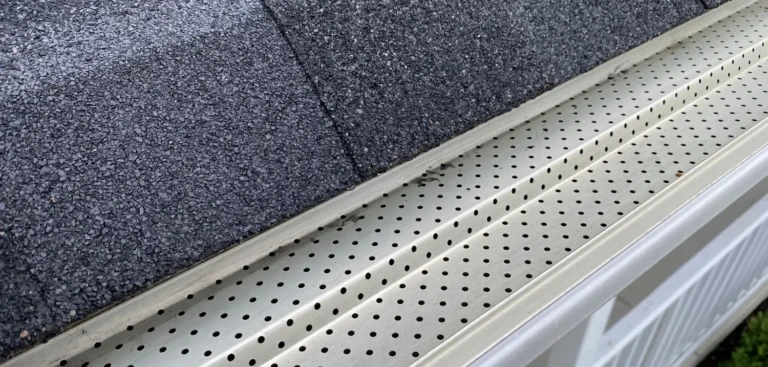
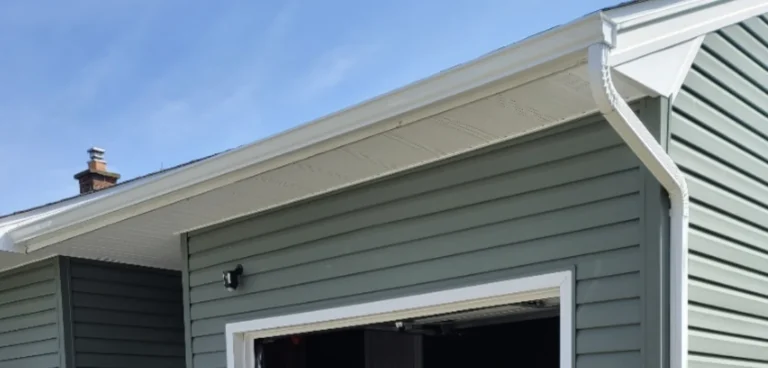
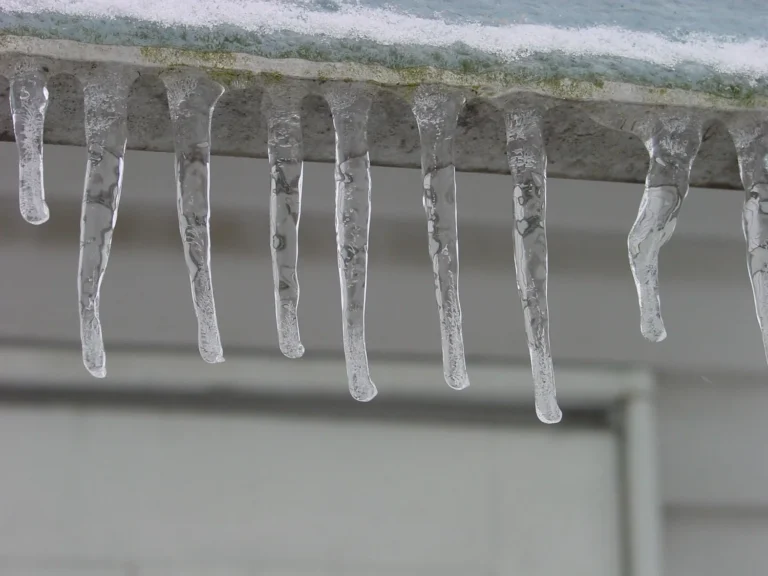
Yes, gutter guards need maintenance. They keep most leaves and larger debris out of the channel, but fine material still lands on the surface, and a protected system still needs an occasional look. Zero maintenance is a marketing phrase, not a description of how guards behave in a yard with trees, wind, and a Western New York winter.
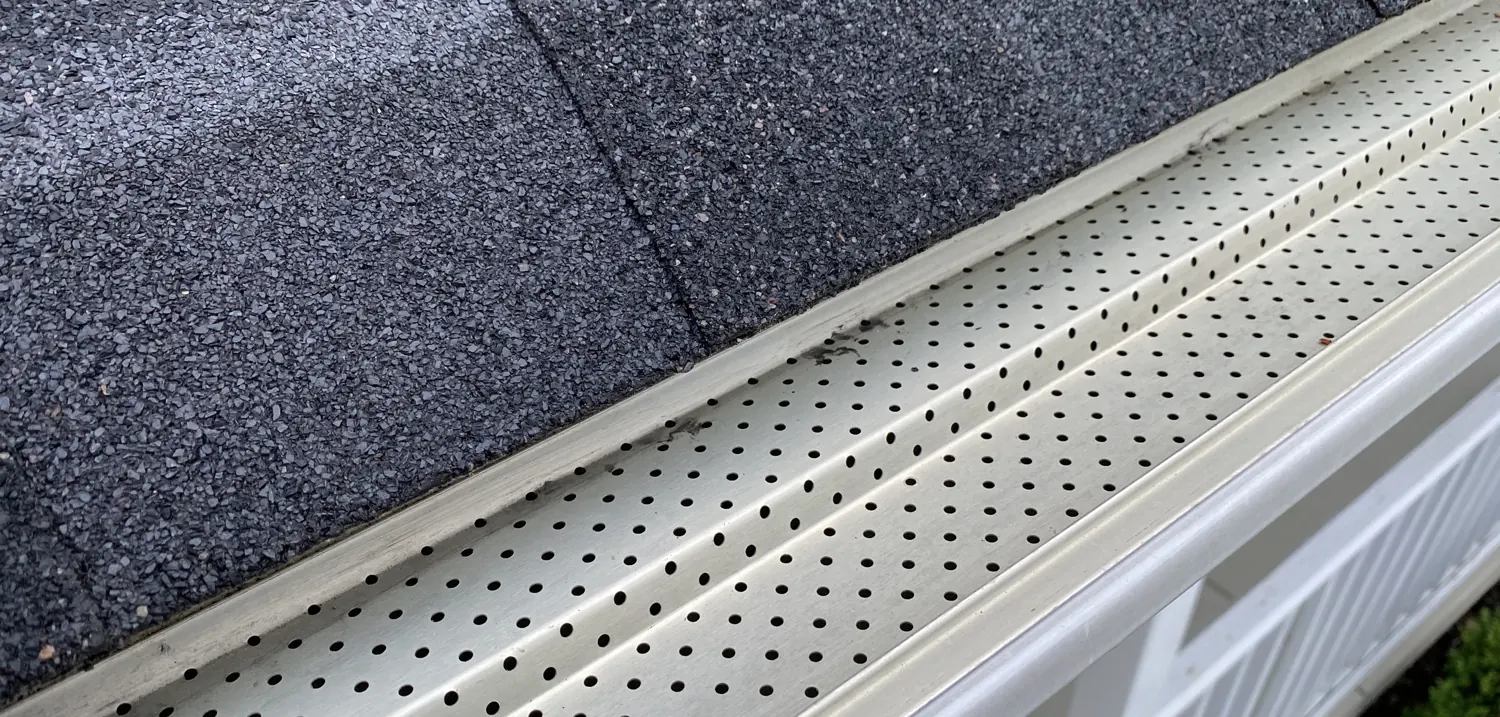
That is not an argument against gutter protection. It is an argument for buying it with the right expectation. A guard that is chosen for your trees and installed on a sound gutter will cut down how often the system needs attention and make the work you do easier. It will not make the gutter line disappear from your list of things to notice.
Why “zero maintenance” is the wrong promise
The claim usually comes from a simple mix-up. A guard genuinely does stop most leaves and twigs from entering the trough, so the messy job of scooping wet leaves out of a channel becomes rare. People hear that and conclude nothing will ever need doing. The trough is only part of the system.
Three things keep the zero-maintenance promise from holding up.
Fine material still arrives. Shingle granules, pollen, seed pods, moss, and short pine needles are small enough to pass through many openings or to mat across the top of a cover. Asphalt shingles shed grit as they age, and a new shingle surface sheds surplus granules for the first few seasons. That material has to go somewhere, and the gutter line is downhill from everything above it.
A guard is also a surface. Debris that once fell into the channel now sits on top of it. Leaves that blow across a cover usually dry and blow off again, but wet leaves, needles, and seed fluff can settle, build up in corners, and hold water against the guard instead of letting it through.
A cover hides what is underneath. An open gutter shows you a loosening hanger, a widening seam, or a sagging run while it is still small. A covered gutter does not. Problems under a guard tend to be discovered later, usually when water starts going somewhere it should not.
Separately, a warranty is not a maintenance schedule. Warranty language covers specific conditions, exclusions, and a claim process, and it is written in a separate document. Any short phrase printed on a brochure or a web page is not a substitute for reading the terms that come with your installation.
What guards are designed to reduce
Gutter protection is a debris-management product, and it works best when the match between the product and the property is right. Niagara Gutter installs Alu-Rex gutter guards on new gutter systems and on existing gutters that pass inspection first.
What that work is meant to change:
- Large debris such as leaves, twigs, and seed pods stays out of the channel instead of packing into it.
- Water can still enter the gutter across the length of the run rather than through one blocked opening.
- Less material sits wet inside the trough, which is where standing debris does the most damage to a gutter’s finish and fasteners.
- Clearing the system becomes an easier job done less often, rather than a twice-a-year rescue before the first hard freeze.
Note the wording: less often, not never. How much less depends on what is growing over the house, how much of the gutter line sits under trees, and the condition of the gutter underneath. A property with heavy pine cover will not behave like a property with two maples at the end of the driveway. Our article on what gutter guards can and cannot do about leaves and pine needles goes into the material differences.
What property owners should still observe
None of this requires a ladder. The useful checks are done from the ground, with your eyes and a phone camera zoom, and they take a few minutes.
Look at the top of the guard after leaf drop. A dark strip, a mat of needles, or a shelf of debris across one section means water is being asked to get through a layer it cannot pass. That is the beginning of an overflow, not a cosmetic issue.
Watch the gutter during a steady rain. Water should enter along the run and leave through the downspouts. Water sheeting over the front edge, or a dry downspout while the gutter is full, points to a blocked surface or a restriction in the outlet.
Check the downspouts at the bottom. Confirm water is actually discharging, and that it is leaving the wall rather than pooling against the foundation. A downspout that runs hard in one storm and trickles in the next is telling you something changed.
Note any change in the fascia and siding. Stains, peeling paint, or a damp patch below the gutter line can mean water is going behind the channel instead of through it. This is one of the cases where the guard can look fine while the problem sits underneath.
Look for guard damage after wind and ice. A lifted section, a bent edge, or a gap at a seam lets debris straight into the channel and defeats the point of the cover.
Watch the same spot every winter. Icicles that return in one location, or ice that forms at a single outlet, usually follow a drainage pattern rather than a random freeze. That pattern is worth describing to an installer instead of chipping at it.
A realistic maintenance routine
Specific care instructions come from the product manufacturer and from the installer who put the system on your house, so use those rather than a generic schedule from a website. What follows is a reasonable way to stay ahead of problems in this climate.
- Late fall, after most leaves are down: clear loose material off the top of the guards and check that water still moves through.
- After any significant wind or ice event: look for lifted, dented, or displaced sections.
- Late winter, after the thaw: check the downspout discharge and look for new staining at the fascia.
- Spring: a second look at the surface, especially under pines and anywhere seed pods collect.
- Any time water appears where it should not: treat it as a call to inspect, not a reason to climb up and start prying at the cover.
Keep it at ground level. Ladder work around a wet gutter line and overhead ice is the part of gutter maintenance that actually hurts people, and prying at a fastened cover can damage both the guard and the gutter.
When to request a professional inspection
Some situations call for a trained eye rather than a look from the driveway.
- Water still overflows after the guard surface has been cleared.
- Water is running behind the gutter, or the fascia shows staining and soft paint.
- A guard section has lifted, torn, or pulled away from the gutter after a storm.
- Ice and icicles keep returning in one location every winter.
- The gutters were installed before you owned the house and you have no record of what product is up there.
- You are preparing to sell, or buying a home, and want the drainage system assessed rather than guessed at.
An inspection at Niagara is tied to a gutter or gutter protection project. We do not advertise standalone gutter cleaning as a general service, so be upfront about what you are seeing and the conversation can start in the right place. If the existing gutters are failing, replacement may make more sense than adding protection over them; if they are sound, guard work can be planned around them.
Get a straight answer about your own gutter line
The honest version of the gutter guard story is that protection reduces work and reduces how often you think about the system. It does not remove the system from your attention entirely, and anyone promising otherwise has not spent a winter in Western New York. Niagara Gutter has been doing this work locally since 1962 and serves Niagara and Erie Counties.
If you want to know what protection would realistically change on your house, describe the trees, the spots that overflow, and anything that has been repaired before. Request a free estimate at niagaragutter.com/estimate-request or call 716-695-3500.