
Heat-Cable Performance
Do Gutter Heat Cables Really Work?
Gutter heat cable can work as a targeted winter-drainage tool when it is properly selected, planned, installed, powered, and used for the conditions it was designed to address. “Working” usually means helping maintain a meltwater route through the planned gutter and downspout areas—not melting every patch of snow or ice around the system.
Start with the recurring pattern
The location, timing, and repetition of winter ice often tell more than a single photograph. Use the sections below to understand the specific symptom, observe it safely, and decide whether a gutter and downspout drainage assessment may be useful.
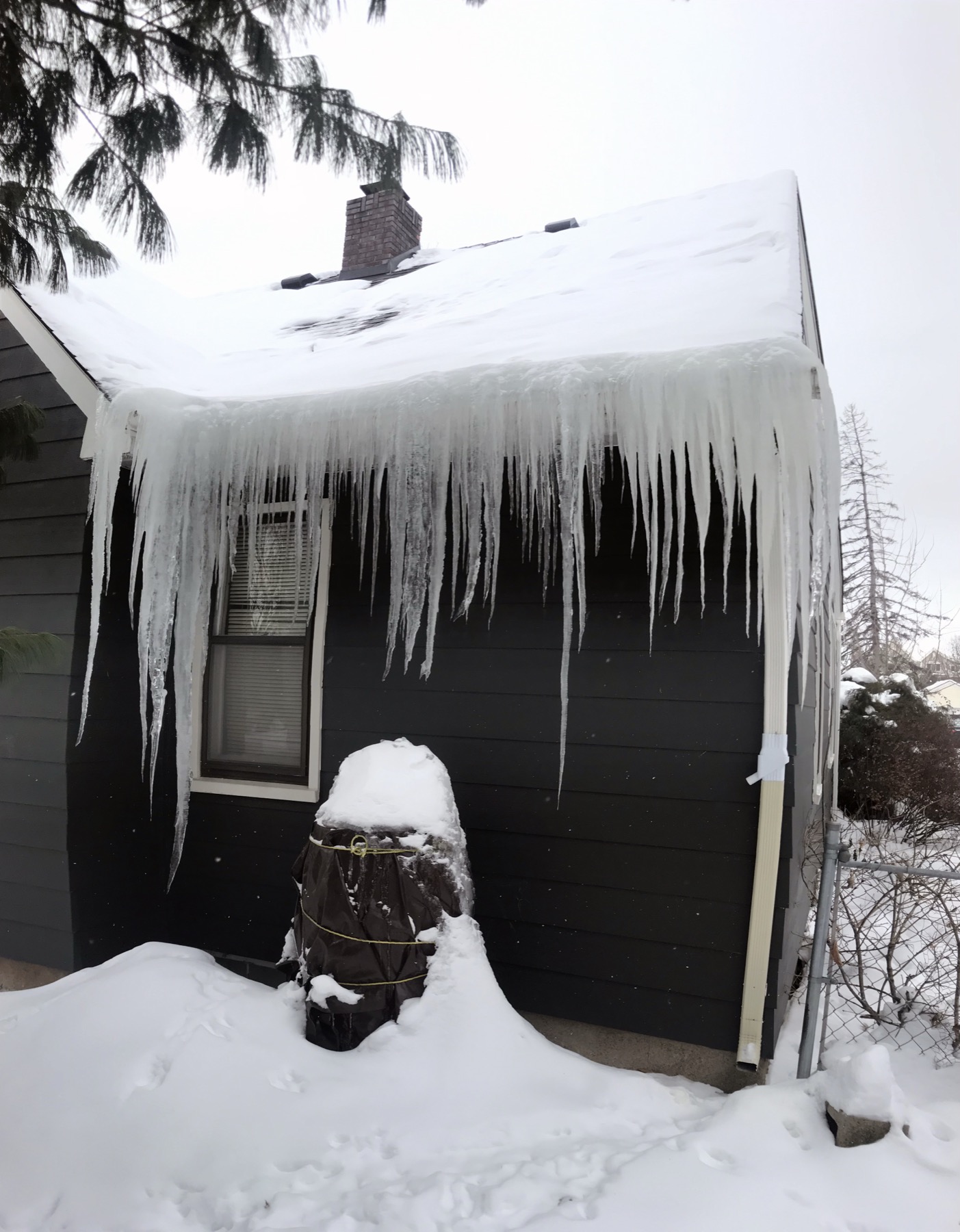
Successful performance looks like a drainage route
A homeowner may expect a heated system to make the entire gutter bare. That is not necessarily how drainage-path cable is meant to perform. A narrow route can allow meltwater to move while snow or ice remains outside the installed path.
Heat Trace describes de-icing cable in gutters and drainpipes as a way to keep water flowing freely through those components. The useful result is continued drainage through the planned route, not a promise that every winter surface becomes warm or clear.
Design and conditions affect the result
Performance can depend on the cable selected, the planned route, power, controls, snowfall, wind, shade, existing ice, incoming meltwater, and whether the downspout can discharge. A system intended for one recurring outlet problem is different from a generic cable laid without regard to the complete route.
Product-specific claims—such as voltage, wattage, control method, overlap rules, electrical protection, or operating temperature—must come from the exact manufacturer documentation. Niagara has not approved those details for public use, so this answer should not invent them.
- The route includes the gutter outlet and downspout when the problem requires it.
- The system is powered and operated according to the selected product’s instructions.
- The drainage components can move water rather than ending at another blockage.
- Expectations match drainage support instead of complete ice removal.
- Recurring symptoms are compared before and after installation over appropriate winter conditions.
What heat cable cannot establish by itself
Visible cable does not prove that the layout matches the problem, and one warm afternoon does not prove seasonal performance. Likewise, surrounding ice does not automatically prove failure if a functional drainage path remains open.
Heat cable does not diagnose or correct every building cause of ice dams. University guidance identifies broader temperature, insulation, ventilation, snow, and weather factors that can affect ice-dam formation. Those conditions fall outside a gutter-only promise.
Niagara’s approved performance position
Niagara Thaw Systems uses professionally installed heat cable focused on the gutter and downspout drainage path to help keep meltwater moving during freezing weather. It may help reduce recurring gutter ice, frozen-downspout conditions, heavy icicles, and gutter-system stress.
The service does not guarantee an entirely ice-free gutter system or complete prevention or elimination of ice dams. A useful estimate should explain the observed problem, proposed route, and realistic outcome in plain language.
Frequently Asked Questions
Common questions
Should heat cable melt all the ice around it?
Not necessarily. A functional drainage route may remain relatively narrow while surrounding snow or ice stays visible.
Why might two homes need different cable routes?
Gutter runs, outlets, downspouts, shade, incoming meltwater, and recurring freeze points differ from property to property.
Can I judge performance during one storm?
One event may not represent the full range of winter conditions. Compare the recurring drainage problem and the planned system role over appropriate conditions.
Does the cable type matter?
Yes, but Niagara has not approved public product specifications. The selected product’s documentation should control all technical claims and instructions.
How do I know whether my property is a fit?
Request an assessment and describe where gutter ice, frozen downspouts, heavy icicles, or blocked drainage repeatedly occur.
Related Gutter Answers
Ask Whether Niagara Thaw Systems Fits Your Property
Tell Niagara Gutter where gutter ice, frozen downspouts, heavy icicles, or winter drainage problems repeatedly appear.