A homeowner looks up, sees a clean gutter, and concludes the gutters are fine. Then it rains and water goes over the front edge anyway. That experience is common, and it usually means the problem is somewhere other than debris in the channel.
Overflow is a symptom with several possible causes. Finding which one applies is the whole job.
Start with where the overflow occurs
The location narrows the cause faster than anything else you can observe.
- Over the front edge along a long stretch. Usually a capacity or pitch question, or the run is simply handling more water than it can carry.
- At one end, near an outlet. Often a restriction at the outlet or the start of the downspout.
- At a corner or an inside angle. Frequently a place where water arrives faster than it leaves, or where a joint is not doing its job.
- Backing up and dripping behind the gutter. Often a restriction downstream, or water arriving from above the gutter line.
- Only during very heavy rain. Points toward capacity and layout rather than blockage.
Watching in a real downpour, from a safe spot on the ground, is more informative than checking when it is dry.
Check pitch, outlets and downspouts
Water needs a continuous route with no place to stop.
- Pitch. A run that is level, or that falls away from the outlet, holds water until it spills. Standing water in a gutter after rain is a strong clue.
- Outlets. A restricted outlet is a bottleneck regardless of how clean the channel looks. Debris often collects exactly where the water is supposed to leave.
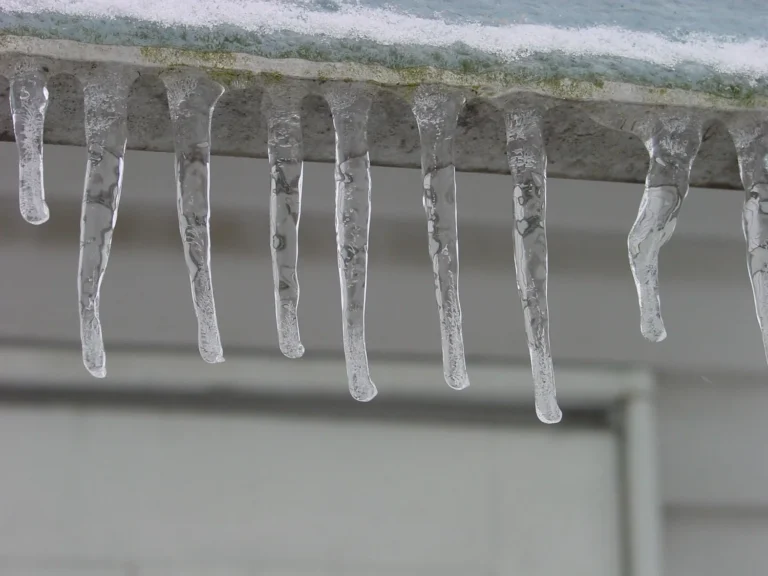
- Downspouts. A crushed, disconnected or blocked downspout backs water up into the gutter. So does a discharge point that is underwater, buried or frozen.
- Count and placement. A long run with one outlet may be asked to move more water than it can, especially where the surface above funnels toward one end.
None of this is visible from a ladder glance at the top of the gutter. It requires following the route.
Consider concentrated flow
Two houses with similar-looking layouts can shed very different amounts of water onto the same gutter section.
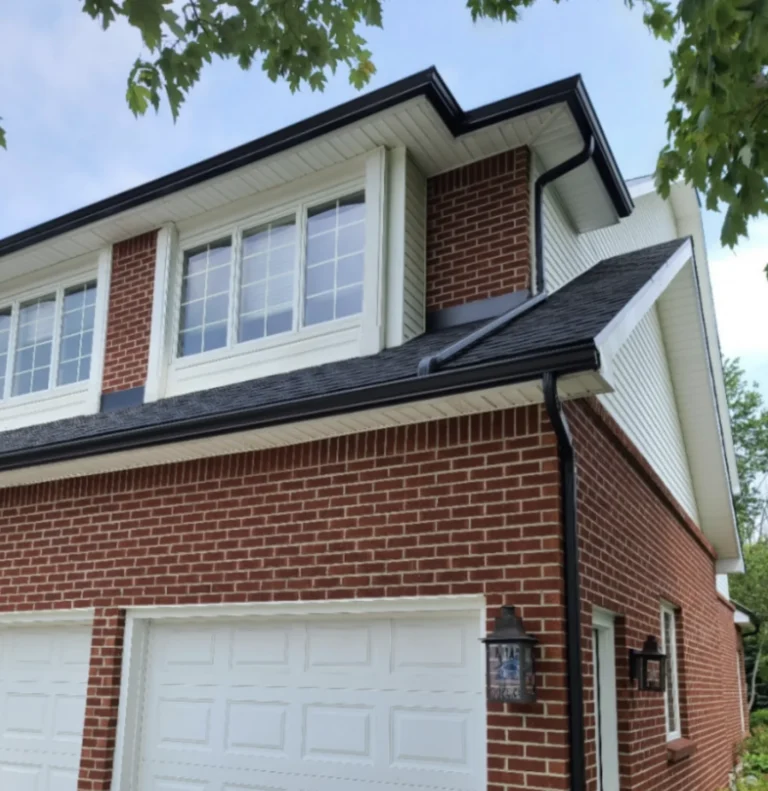
A valley concentrates water from adjoining surfaces into one place. A dormer, an upper level or a porch can add runoff to a run that was sized without it. A steep slope releases water faster than a shallow one. Any of these can overwhelm a gutter that would be perfectly adequate elsewhere on the same building.
This is also why a general rule off the internet is a poor substitute for looking at the actual building. If the overflow is consistently in the same place, that place is telling you something about how the water gets there.
Rule out what looks like overflow but is not
Some water at the eave never entered the gutter at all. Water arriving from the shingles, drip edge or flashing can appear at the wall below and be mistaken for a gutter that spilled. That is a different problem with a different owner.
If the channel is clear, the outlets are open and the run is pitched correctly, and water still appears where it should not, an assessment should be willing to say the cause may be above the gutter line.
When a gutter-system assessment helps
An assessment looks at the run, the outlets, the downspouts and the discharge point as one system, and considers what the building above is sending to each section. That is the point at which a fix can be specific instead of speculative.
Sometimes the answer is modest: clear a restriction, correct a pitch problem, add an outlet. Sometimes the existing system has reached the end of what it can do and replacement is the sensible route. The value of the assessment is knowing which one you are facing before spending money.
To discuss overflow in Western New York, review Niagara Gutter’s seamless gutters and request a free estimate, or call 716-695-3500. Describe where the water goes over and whether it happens in every rain or only in heavy storms.