A 3×4 downspout has a larger opening than a 2×3 downspout, but size alone does not tell you whether a gutter system will drain properly. The roof area feeding it, the outlet connecting it to the gutter, the number of downspouts, and the route water takes away from the house all matter. A larger downspout can be useful, but it is not a cure for every overflow.
If you are comparing 2×3 vs 3×4 downspouts for a Western New York home, start with the problem you want to solve. Is one corner overflowing? Does water collect near the foundation? Is the trouble limited to a single gutter run? Those details are more useful than choosing the biggest visible pipe.
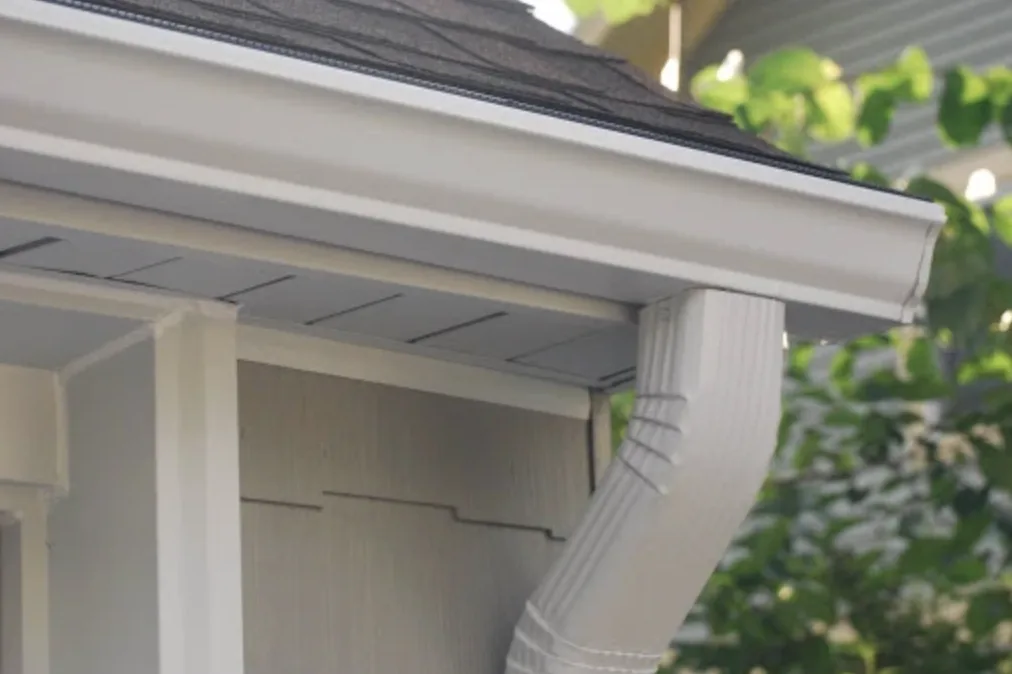
How 2×3 and 3×4 downspouts differ
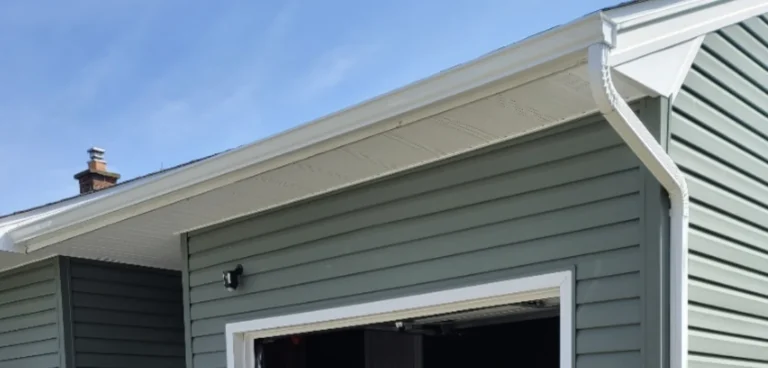
The names describe the nominal dimensions of rectangular downspouts in inches. A 3×4 downspout provides a larger passage than a 2×3. That can help a system handle runoff when the gutter, outlet, connections, and discharge route are also suited to the job.
However, a downspout size comparison is not the same as a complete drainage calculation. You cannot look at the pipe alone and assign a dependable whole-house capacity. Rainfall intensity, the roof draining toward that particular outlet, and restrictions along the route can change what the system needs.
Manufacturers offer general sizing guidance, but those figures should not become a promise about an individual home. A small roof section with a well-placed outlet may have very different needs from a long run receiving water from several roof sections. The right question is whether each part of the system can handle the water reaching it.
Why the outlet and layout matter
The outlet is the opening that lets water leave the gutter and enter the downspout. A larger pipe below a small or obstructed outlet does not remove the restriction above it. The connection needs to be considered with the rest of the proposed change, rather than treated as an unrelated fitting.
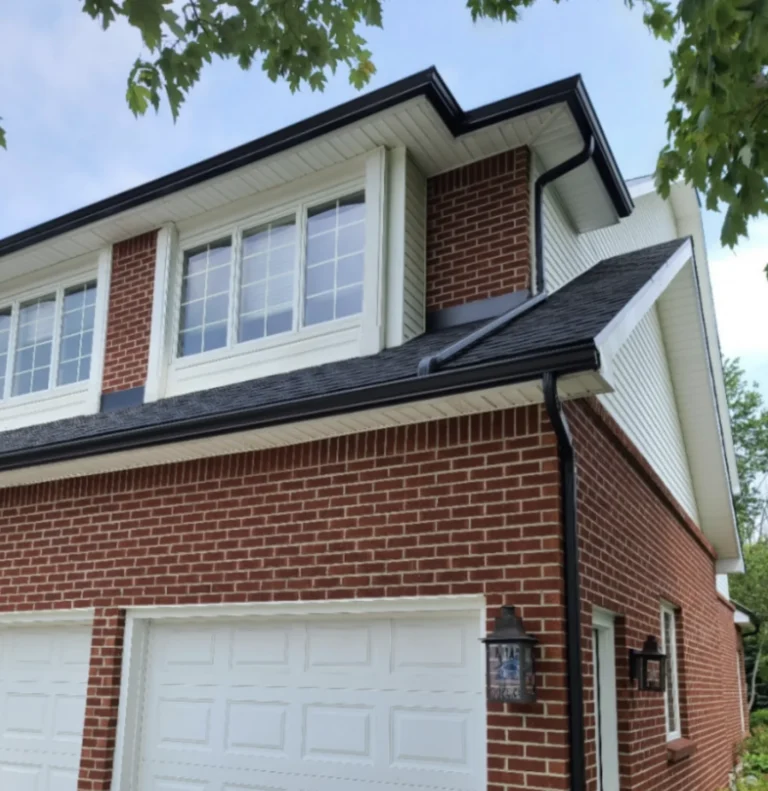
Placement matters, too. Water must travel through the gutter to reach a downspout. If a run is not draining toward its outlet, changing the vertical pipe may leave that problem untouched. An inspection should consider the gutter’s condition, how it drains, where the outlets are located, and whether there are enough drainage points for the roof layout.
Look beyond the vertical section. Elbows, extensions, and any downstream drainage connection form part of the same route. A crushed extension or obstructed connection can still cause trouble after a larger downspout is fitted. A useful estimate should explain how the proposed work addresses the actual restriction.
When a larger downspout may help
A larger downspout is worth discussing when an existing drainage route appears inadequate for the water reaching it. That is especially relevant when an inspection finds that the gutter and outlet arrangement need to handle a substantial roof drainage area. The recommendation should come from evaluating that area and the route out, not simply from seeing a wet spot.
Some homes may benefit from a larger outlet and downspout together. Others may need a different layout or another drainage point. Still others may need an obstruction cleared or an existing defect corrected before a size change is considered.
It also helps to separate recurring problems from one unusual event. Tell the estimator whether the overflow happens in ordinary rain, only in heavy rain, or after leaves have accumulated. You do not need to diagnose the cause yourself. Describing when and where it happens gives the inspection a more useful starting point.
What bigger downspouts do not automatically fix
- Debris at the outlet. A larger pipe does not remove leaves or other material already blocking the gutter connection.
- A gutter that does not drain properly. Water still needs a clear route toward the outlet.
- Leaks or damaged components. A different downspout does not repair every failing connection or damaged section.
- Poor discharge near the house. Getting water to ground level is only part of the job; it must also be directed away appropriately.
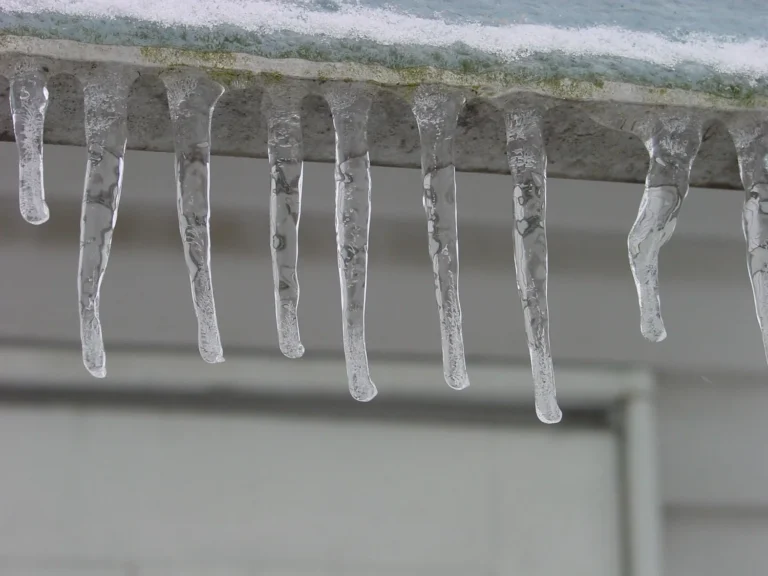
- Winter ice. A larger downspout is not a guarantee against freezing, ice buildup, or ice dams.
These distinctions matter when comparing proposals. A less expensive pipe-only change and a more complete drainage correction may address different problems. Ask what each proposal includes and which observed condition it is intended to correct.
Why each property still needs an evaluation
Roof area means the area contributing water to a particular gutter and outlet, not simply the home’s advertised floor area. Roof sections and valleys can direct runoff toward different locations. Two houses with similar floor plans can therefore need different gutter and downspout arrangements.
The discharge location needs attention as well. Water should not be concentrated where it will repeatedly soak the soil next to the foundation. Existing underground connections need to be considered rather than assumed clear or suitable. The appropriate route depends on the property and any applicable local requirements.
For a Western New York home, it is useful to discuss both rain-related symptoms and any recurring winter drainage trouble. Keep those questions separate: a change intended to improve rainfall drainage should not be presented as a guaranteed winter-ice solution.
Niagara Gutter offers seamless gutter installation. When requesting an estimate, explain which gutter run or downspout concerns you and ask how the recommended work addresses the whole drainage path.
A ground-level checklist before your estimate
You can gather useful information without climbing a ladder. Observe from a safe location, and do not stand under an overflowing gutter, loose component, or icy roof edge.
- Note the corner or wall where the problem appears.
- Describe whether water spills over the front, leaks at a connection, or collects below the downspout.
- Explain whether the issue happens in ordinary rain, heavy rain, or during winter thawing.
- Point out any visibly disconnected or damaged extension.
- Share a ground-level photo if you already have one and can take it safely.
Leave roof measurements, close inspection of elevated outlets, and disassembly to someone equipped to do that work safely. A clear description of the symptoms is enough to begin the conversation.
Questions homeowners ask about downspout sizes
Is a 3×4 downspout always better than a 2×3?
Not automatically. It provides a larger passage, but the appropriate choice depends on the roof area, outlet, gutter layout, and discharge route. A larger downspout should be part of a justified recommendation, not a substitute for finding the problem.
Can you put a larger downspout on an existing gutter?
Sometimes an existing system can be adapted, but the outlet, fittings, gutter condition, and downstream route need to be checked. Do not assume replacing only the visible vertical section will deliver the intended improvement.
Will a larger downspout stop my gutter from overflowing?
It may help if inadequate drainage capacity is the cause and the other components are matched appropriately. It will not necessarily fix debris, a restricted outlet, poor drainage toward the outlet, or another defect. An inspection should identify the cause first.
Which size should I ask for in my estimate?
Ask for a recommendation tied to your roof and the symptoms you have noticed. The estimate should make clear whether the work involves the outlet, downspout, gutter layout, or discharge route, so you can compare the scope rather than just the pipe size.
Get a recommendation for your gutter system
If you are deciding between 2×3 and 3×4 downspouts, Niagara Gutter can be your starting point for a gutter and downspout estimate. Call 716-695-3500 or request a free estimate. Describe the drainage problem you want addressed so the proposed work can be considered in context.